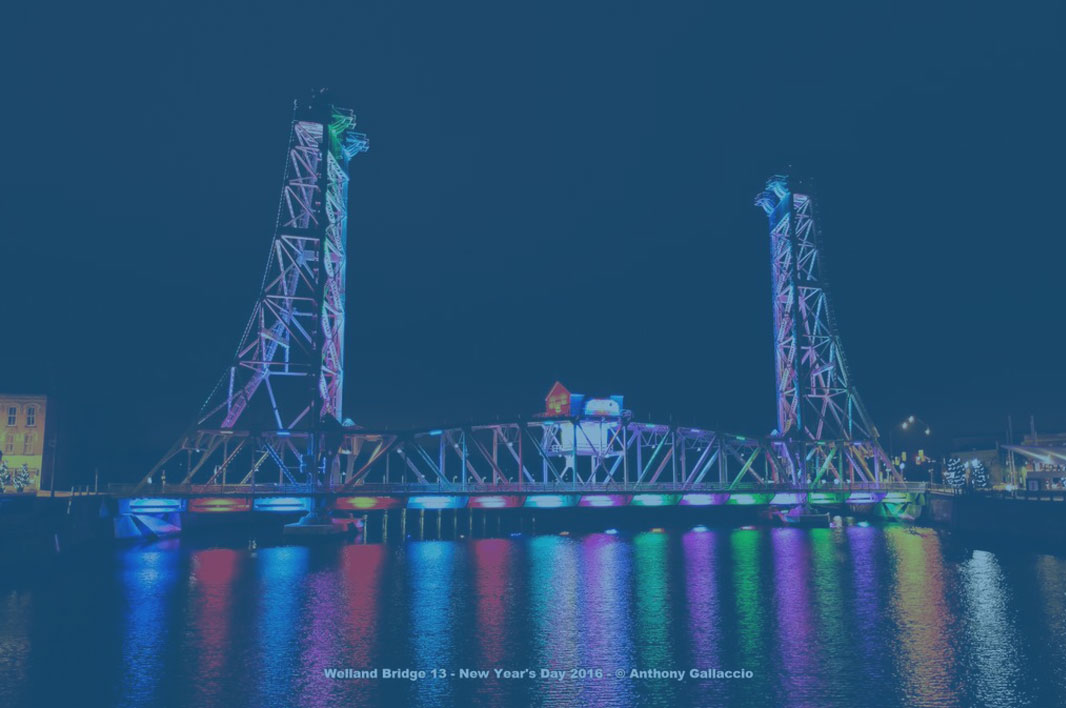
Explore Niagara’s Welland Canal
Discover one of Canada’s greatest engineering achievements and the gateway between Lake Ontario and Lake Erie.
Explore the rich history of Niagara’s Welland Canal, watch massive ships navigate its iconic locks, uncover fascinating stories from 200 years of canal history, and plan your visit to the vibrant canal communities of St. Catharines, Thorold, Welland and Port Colborne.
Whether you’re interested in history, ship watching, cycling, museums or local attractions, Niagara’s Welland Canal offers unforgettable experiences for visitors of all ages.
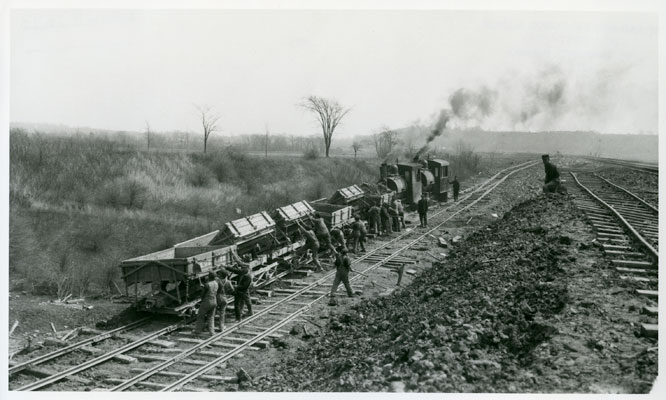
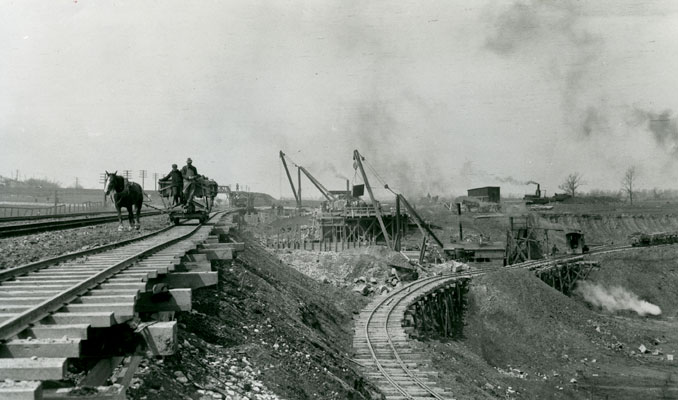
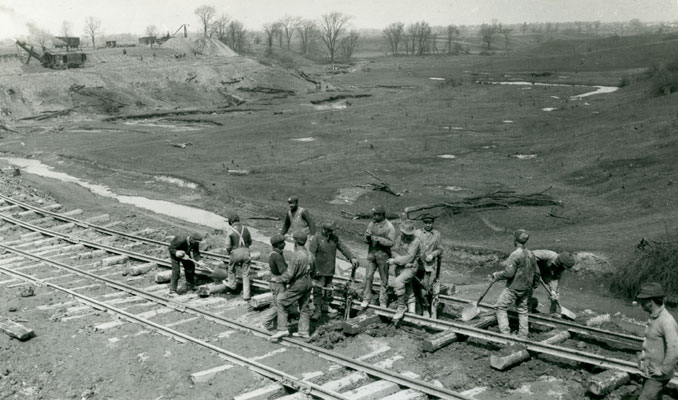
History
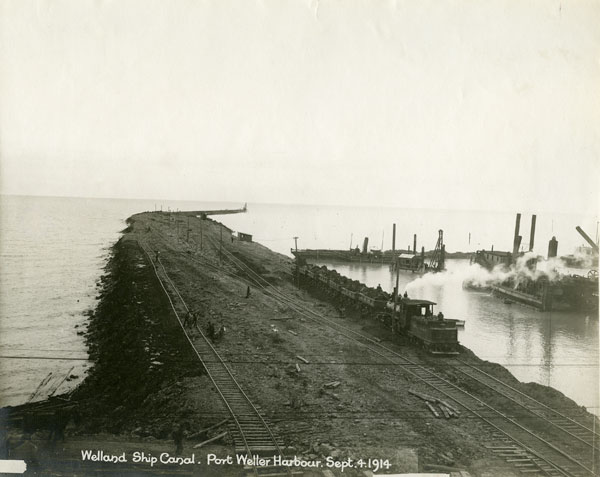
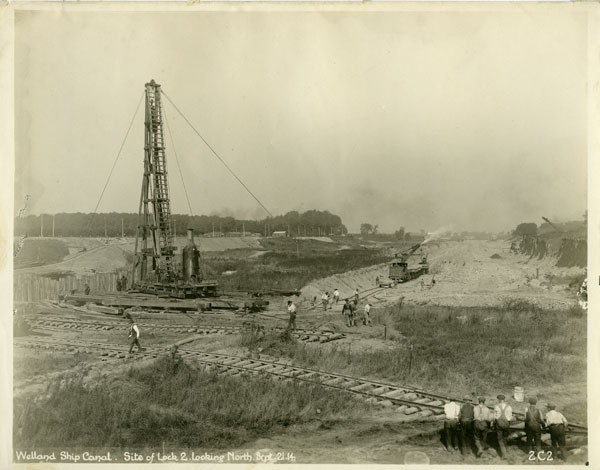
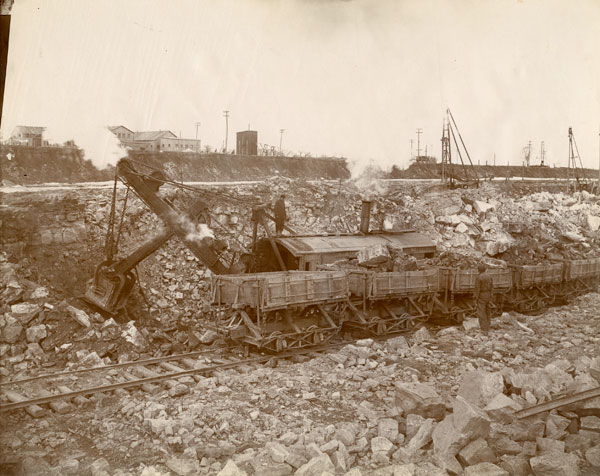
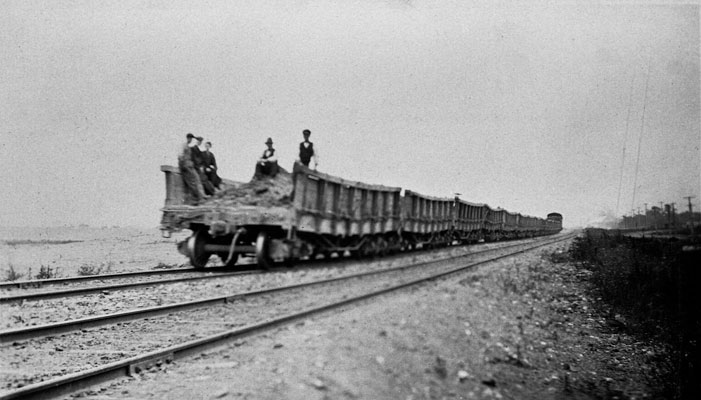
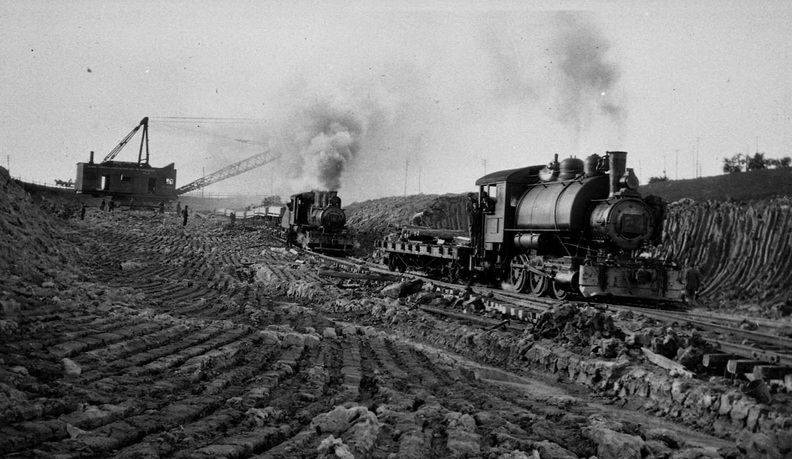
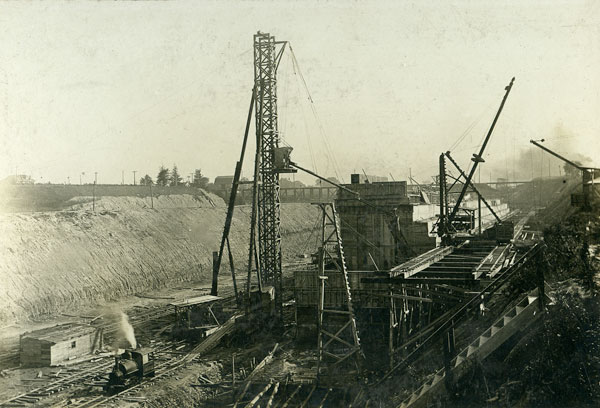
Niagara's Welland Canal
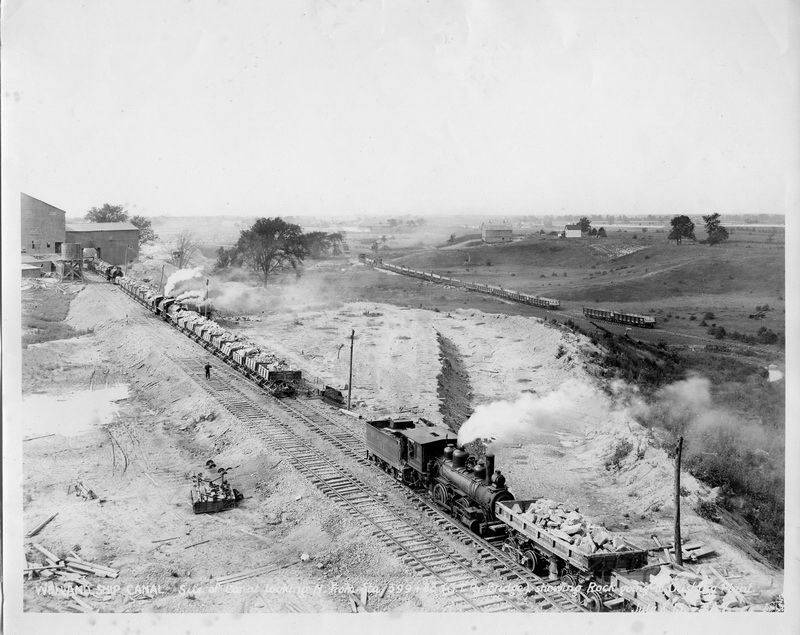
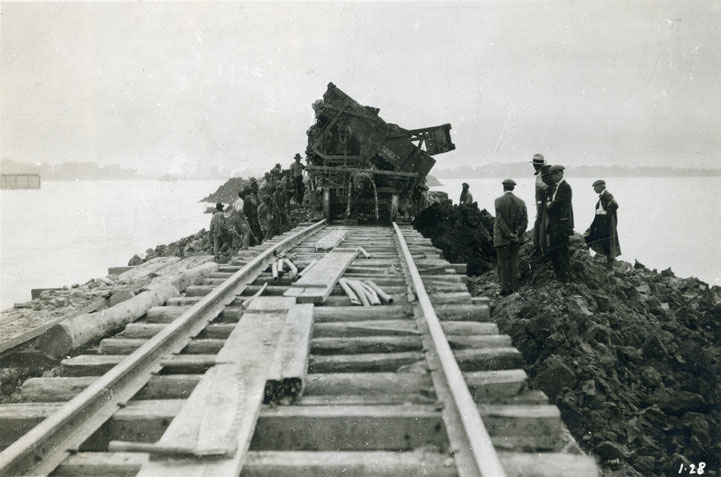
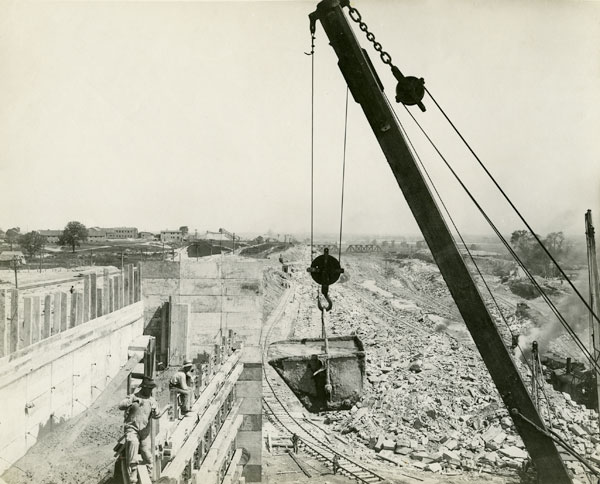
What To Do
Canal Communities
Not sure where to begin when planning your visit to Niagara’s Welland Canal? Let us help!
There are countless experiences that will make your trip a memorable one.
Click on each community to learn all about what to see and do from the Welland Canals Centre at Lock 3, to the St. Catharines and Welland Museum, Merritt Island, Port Dalhousie’s historical waterfront, festival and events, public beaches, cycling shopping, wine routes and so much more!
interesting facts
Bridges and Tunnels
Swing Lift Bridges
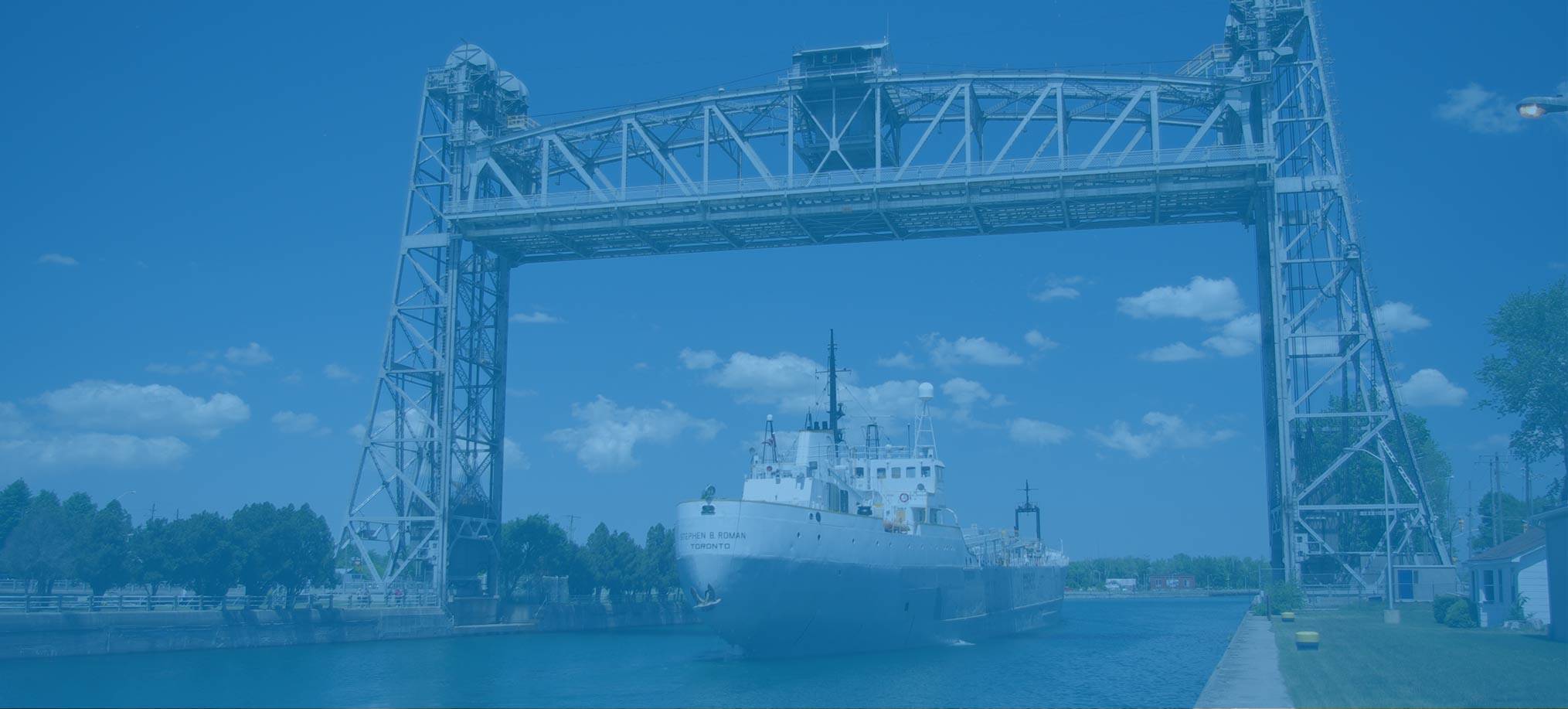
There are four “swing lift” bridges crossing the Canal – at Lakeshore Road, and Carlton Street in St. Catharines (Locks 1 & 2) and at Main Street and Mellanby Road in Port Colborne (Lock 8).
Counterbalance
Swing lift bridges are lifted by a huge counterbalance that swings the bridge out of the way of passing ships.
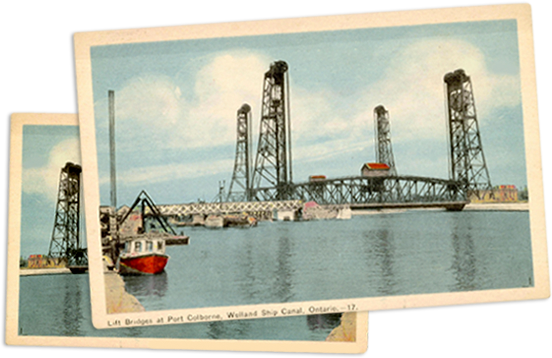
Vertical Lift Bridges
There are three “vertical lift” bridges crossing the Canal – at Glendale Avenue in St. Catharines, Highway 20 in Allanburg and at Clarence Street in Port Colborne.
The Mechanics
Vertical lift bridges involve weights suspended at either end, dropping to pull up the entire bridge 36.6 metres (120 feet).
Tunnels
Three tunnels pass under the Welland Canal – the Thorold Tunnel and the Main Street and Townline Tunnels in Welland.
Ships and Cargo
The Numbers
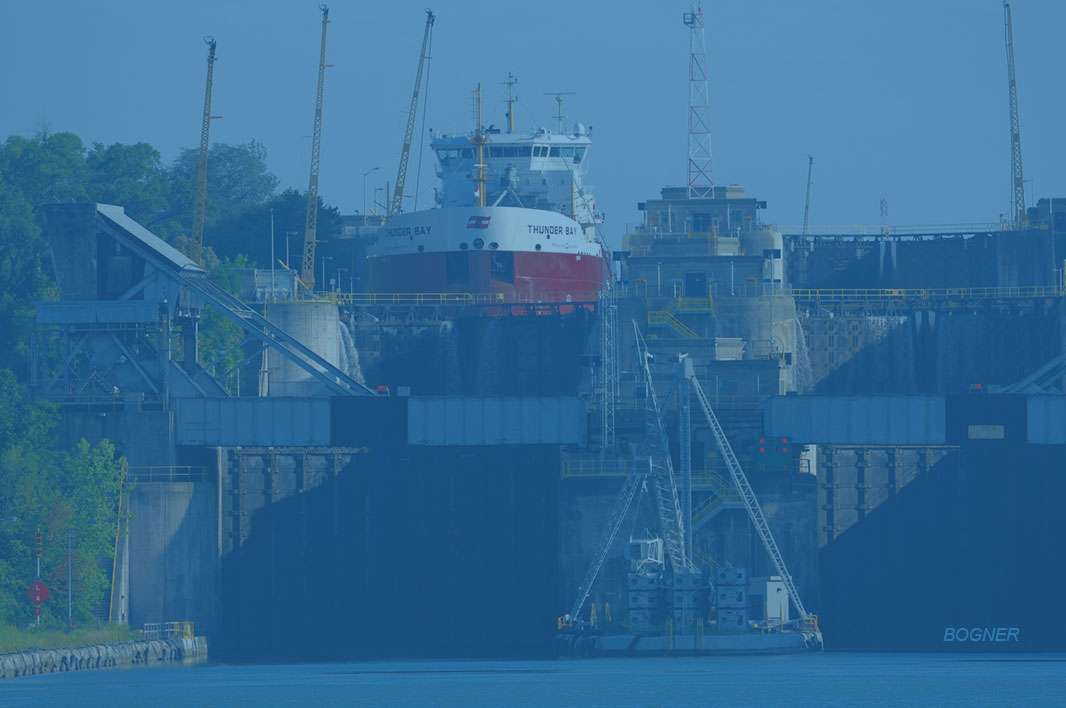
Ships are raised 100 metres (326 feet) by seven locks within 11 kilometres (7 miles).
Navigating the Welland Canal
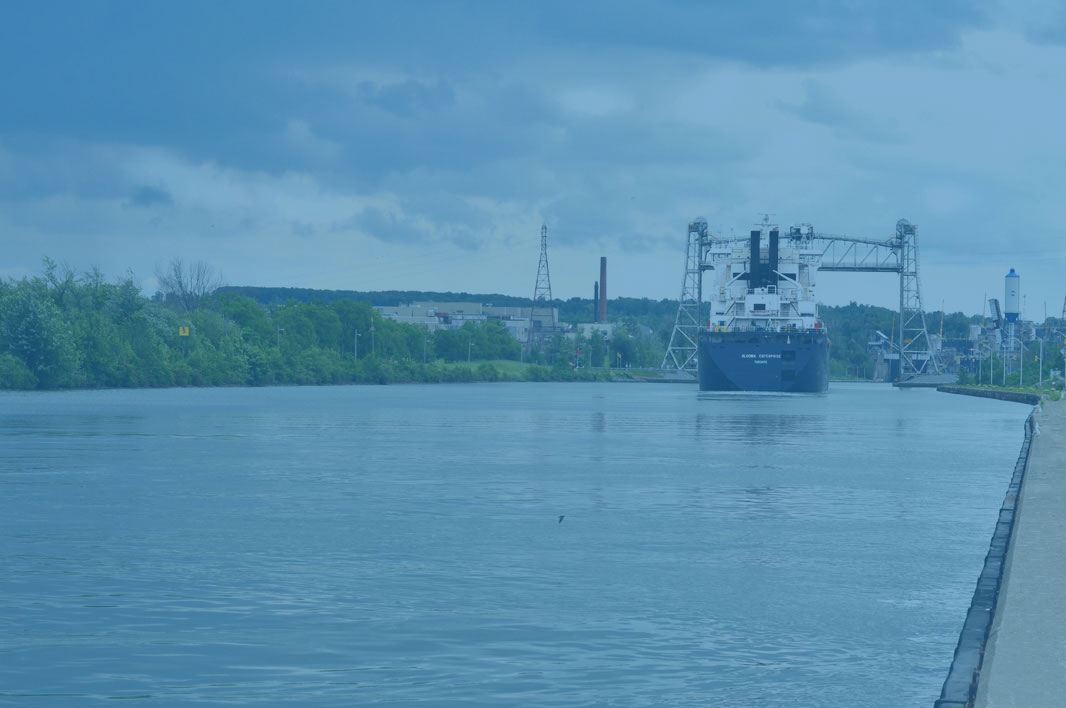
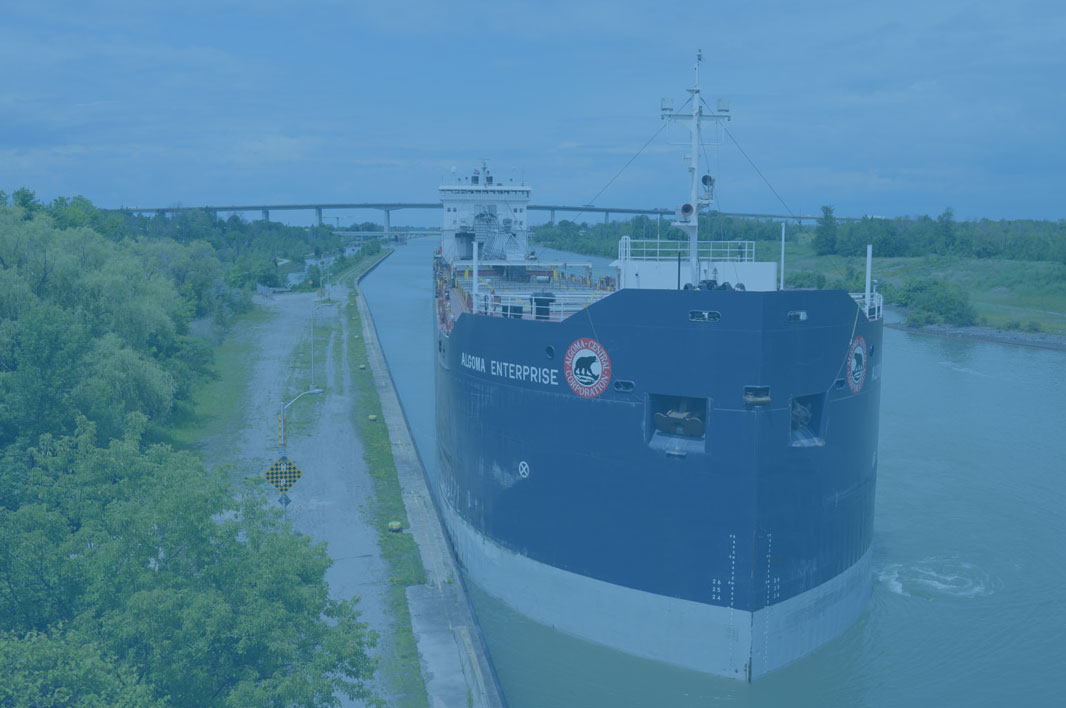
3,230 – mainly lakers, salties, tugs and barges – navigated the Welland Canal in 2025.
Tonnage
Ships carried over 27,000,000 metric tonnes of cargo in 2025.
Cargos
Common cargos are grain, iron ore, coal salt, stone, iron and steel.
Tolls
Tolls for passage vary from $19,000 to $38,000 for a loaded cargo ship or barge, depending on gross tonnage, and cargo type and approximately $1,500 for a small passenger ship.
Pleasure Crafts
Pleasure crafts are allowed passage for $200 one way through all locks.
Passageway for the World
Lockage Time
It takes ships about 129 hours to sail from Duluth, Minnesota to the Atlantic Ocean, including 17 hours of lockage time throughout the Welland Canal and other St. Lawrence Seaway locks.
Bypassing Niagara Escarpment
The Welland Canal allows ships to bypass Niagara Falls and conquer the Niagara Escarpment in order to continue through the Great Lakes system.
Atlantic Ocean
From the Atlantic Ocean, ships can travel 2,000 kilometres (1,300 miles) inland to the edge of the Great Prairies.
Great Lakes
The five Great Lakes comprise the largest and most far-reaching inland waterway in the world.
Welland Canal Corridor
Four Cities
The Welland Canal Corridor is a scenic route through four cities from lake to lake.
Viewing
Along the way, visitors enjoy viewing platforms, recreational trails and waterways, cycling routes, picnic areas, historical ruins, museums, displays, beaches, restaurants and accommodations.
Lots to Do
The cities of St. Catharines, Thorold, Welland and Port Colborne offer vistas, activities, events and opportunities to entertain and fascinate every traveller.
The Corridor
The Corridor forms the western boundary of the Greater Niagara Circle Route Trails System.
Downloads
Maps & Guides
Access our official maps, specially designed to help visitors plan their time in Niagara and get the most out of the Welland Canal.
Our selection of maps will help you discover the evolution and history of the Welland, lock points of interest, over 140km of mostly off-road, paved trails suitable for walking cycling or rollerblading plus, the top things to do in each community during your stay.
Download these free Welland Canal maps and guides before you arrive.